 ultimate-guide
Evening Art Classes for Working Professionals: 2026 Guide
Table of Contents
- Why Evening Art Classes Fit a Working Professional's Schedule
- Beginner Art Classes for Adults: What to Expect in Your First Session
- Evening Pottery Classes Near Me: Finding a Studio That Works for You
- How to Choose an Art Class That Matches Your Goals
- What Evening Art Classes Cost and How to Budget for Them
- Curated Starter Kits: What Supplies You Actually Need
- Frequently Asked Questions
Last Updated: September 30, 2026
Why Evening Art Classes Fit a Working Professional's Schedule
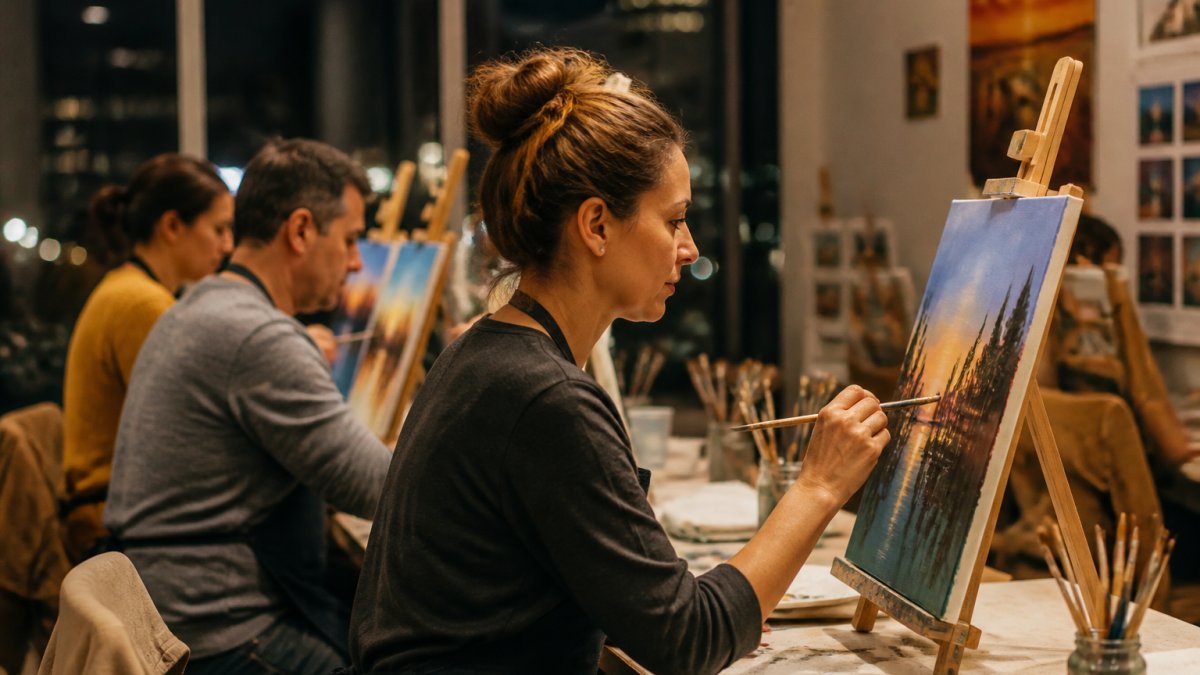
Evening art classes for working professionals solve a specific problem: the gap between when the workday ends and when the rest of life begins. Most studios schedule adult sessions between 6 and 9 p.m. on weekdays, so you can leave the office, grab dinner, and still spend two hours at an easel or pottery wheel without touching your weekend.
The 9-to-5 structure leaves a narrow window for anything that isn't commuting, chores, or recovery. Evening art classes for working professionals fit into that window instead of competing with family time on Saturday mornings.
Uncle Dave's Art Studio offers weekday evening sessions across pottery, stained glass, painting, drawing, and ceramics so adults who work full-time can learn a medium without rearranging their calendar.
How After-Work Art Classes Support Work-Life Balance
After-work art classes function as a boundary between professional mode and personal mode, a transition many professionals struggle to create, finishing their last meeting and immediately opening email again.
A scheduled class forces the break. You commit to being somewhere at 6:30 p.m., and that commitment pulls you out of the work spiral.
Beginner Art Classes for Adults: What to Expect in Your First Session
Beginner art classes for adults are designed for people with zero prior experience, and the first session focuses on fundamentals rather than finished work: how to hold tools, how materials behave, and how to think about composition.
How Adult-Beginner Curricula Are Actually Sequenced
A well-built beginner course follows a predictable arc, and knowing it in advance removes most of the anxiety about the first night:
- Sessions 1-2: Material familiarity. You handle the tools and learn how the medium behaves, how graphite layers, how watercolor blooms, how clay holds a shape. The goal is comfort, not output.
- Sessions 3-4: Foundational technique. Instructors introduce one core skill at a time, value and shading in drawing, color mixing in painting, centering on the wheel in pottery.
- Sessions 5-6: Guided application. You apply the technique to a small finished piece with instructor feedback at each stage.
- Later sessions: Independent work with critique. You choose your subject and the instructor shifts from demonstrator to coach.
Your first session typically covers:
- A studio tour and introduction to equipment
- Basic technique demonstration from the instructor
- Hands-on practice with guided feedback
- A short wrap-up on what to expect in future sessions
The Work-Life Balance Angle Most Programs Ignore
The hardest part of a beginner evening class isn't the technique, it's arriving. A full workday drains the same cognitive resources you need to learn a new motor skill, so the first few sessions often feel harder than they should.
- Eat before class, not after. Low blood sugar after a long workday makes fine motor work frustrating; a real meal before a 6:30 p.m. session changes how the first hour feels.
- Leave the work brain at the door. Many studios build in a short settling period, warm-up sketching or wedging clay, that functions as a decompression ritual. Treat it as part of the class, not wasted time.
- Lower the bar for session one. The goal of your first night is to show up and touch the materials; finished work is a later-session outcome.
- Protect the slot on your calendar. The professionals who stick with evening classes longest treat the class like any other appointment, not an optional add-on.
Evening Pottery Classes Near Me: Finding a Studio That Works for You
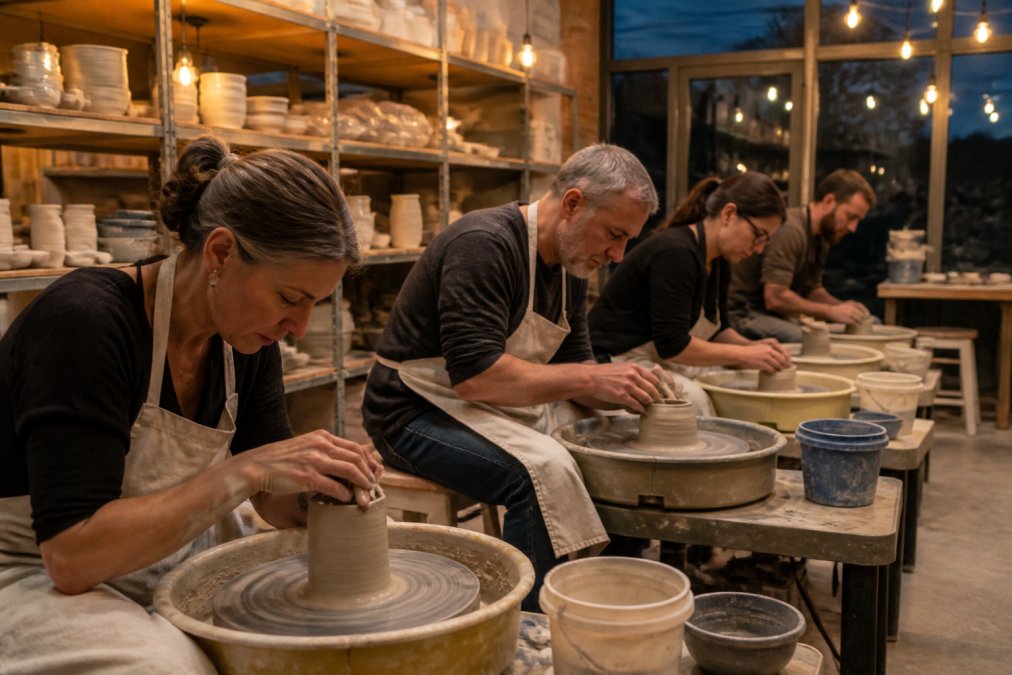
Searching for "evening pottery classes near me" returns a mix of community centers, private studios, and college extension programs. The right fit depends on schedule compatibility, equipment access, and instructor quality.
How to Choose an Art Class That Matches Your Goals
Choosing an art class comes down to matching three variables: your goal, your schedule, and your budget. Someone seeking stress relief after work has different needs than someone building a portfolio for a career change.
Questions to Ask Before You Enroll
Ask these questions before you commit to any program:
- What is the student-to-instructor ratio? Lower ratios mean more personalized feedback.
- How long is each session, and how many sessions are in a package?
- Are materials included, or is there a separate supply list?
- What is the cancellation and makeup policy if I miss a class?
- Do you offer drop-in sessions, or is enrollment only for full multi-class packages?
- Can I see examples of student work from the last six months?
That last question reveals more than any brochure. Recent student work shows what the instruction actually produces.
What Evening Art Classes Cost and How to Budget for Them
Pricing for evening art classes varies widely by medium, studio, and session length. Pottery and stained glass typically cost more than drawing or sketching because they require expensive equipment and consumable materials.
- Drop-in rate, the highest cost per session, but zero commitment. Best for testing whether you actually like the medium before signing up for anything.
- Multi-class package, a block of sessions (commonly four to eight) sold at a lower per-session rate than drop-in. This is the most common structure for evening programs, and it rewards commitment while giving the studio predictable enrollment.
- Monthly membership, a flat recurring fee with access to a set number of sessions or open studio hours. Best for people who attend weekly and want flexibility on which nights they come.
- Open studio access, a fee for supervised or unsupervised studio time without instruction. Usually the cheapest per hour, but only useful once you already know the basics.
Calculating Your True Cost Per Hour
The sticker price isn't your real cost. To compare options fairly, divide the total you'll actually spend by the hours you'll actually attend.
When budgeting, factor in these costs beyond the class fee:
- Materials that aren't included (clay, glass, canvas, paints)
- Firing fees for pottery and kiln work, which are often charged per piece or per kiln load
- Storage fees if you need shelf space between sessions
- Basic starter tools if the studio doesn't provide them
- Replacement costs for consumables like clay, glaze, and paint that get used up each session
Why the Medium Drives the Price
Drawing and sketching sit at the low end because materials are cheap and reusable. Acrylic and watercolor sit in the middle; paint gets consumed, but equipment is minimal. Pottery and stained glass sit at the high end because the studio absorbs the cost of kilns, wheels, grinders, and soldering equipment, plus electricity and maintenance.
Curated Starter Kits: What Supplies You Actually Need
Most beginners overbuy supplies before their first class. A curated starter kit for your chosen medium beats walking into an art supply store and guessing.
For a beginner drawing or sketching class, you need very little:
- A set of graphite pencils in a few hardness grades
- A sketchpad with medium-weight paper
- A kneaded eraser
- A blending stump
Frequently Asked Questions
How do evening art classes help with work-life balance?
Evening art classes give you a scheduled block of time each week that belongs to you, not your job. The structure matters: you leave work, arrive at a studio, and shift into a different mode of thinking. Many professionals find that the hands-on focus of painting or pottery quietens work-related mental chatter. Because sessions run after standard work hours, you do not have to choose between career obligations and creative time. The consistency of a weekly class also builds a habit that carries stress relief beyond a single session.
Are evening art classes suitable for complete beginners?
Yes. Most studios design beginner art classes for adults with no prior experience. Instructors typically start with foundational techniques, demonstrate each step, and give personalized feedback as you work. You will not be expected to arrive knowing how to hold a brush or center clay on a wheel. If you are nervous, look for classes labeled introductory or beginner-friendly, and ask whether the first session includes a studio tour and materials overview. Many people in the room are trying something new for the first time.
How often should I attend art classes to see progress?
One evening class per week is the most common rhythm for working professionals and is enough to build real momentum. Skills develop through repetition, so weekly attendance beats sporadic longer sessions. If you want faster improvement, add short practice sessions at home between classes, even just 20 to 30 minutes of sketching. Studios that offer multi-class packages make weekly attendance more affordable than paying per session. Give it four to six weeks before judging your progress; early classes are about comfort and technique, not finished masterpieces.
What should a working professional look for in an art studio?
Look for flexible scheduling that fits after-work hours, small class sizes with hands-on instruction, and instructors who can describe their training and teaching experience. Check whether the studio provides equipment and materials, which matters most for pottery and stained glass where home setups are impractical. Ask about drop-in sessions versus multi-class packages, and whether the studio environment feels welcoming to adults at different skill levels. A good studio will answer these questions directly and invite you to visit before you commit.