 How-to
Creative Art Classes for Stress Relief: A 2026 Guide
Table of Contents
- Why Creative Art Classes for Stress Relief Work
- Art Therapy vs. Art Classes: What's the Difference?
- Painting Classes for Beginners: Watercolor, Acrylic, and Oil
- Pottery Classes for Adults: Working with Clay
- Creative Self-Care Activities You Can Do at Home
- How to Choose the Right Art Class for You
- Frequently Asked Questions
Last Updated: October 16, 2026
Why Creative Art Classes for Stress Relief Work
Creative art classes for stress relief work because they shift your attention away from worry and into a hands-on task with a clear, achievable result. The American Psychological Association notes that creative activities can support emotional wellbeing by giving people a structured outlet for expression American Psychological Association on the benefits of creative expression.
The mechanism is simple. When your hands are busy shaping clay or mixing paint, your mind has less room to replay the day's problems. You focus on color, texture, and form instead. Many people find this kind of focused attention calms a racing mind faster than passively watching television.
You do not need talent to benefit. You need a few hours, a willingness to make something imperfect, and a space where nobody grades your work.
Art Therapy vs. Art Classes: What's the Difference?
Art therapy is a mental health profession that uses creative work inside a clinical relationship, guided by a licensed therapist. Art classes teach artistic skills in a group setting, led by an instructor. The two overlap in how they make people feel, but they serve different purposes, and the practical differences matter more than the philosophical ones.
Here is the side-by-side that most articles skip:
| Factor | Art Therapy | Art Class |
|---|---|---|
| Who leads it | Licensed mental health professional | Instructor or working artist |
| Primary goal | Treatment of a clinical concern | Skill-building and enjoyment |
| Format | Usually one-on-one or small group | Group class or workshop |
| Typical session length | 50-60 minutes | 2-3 hours for a workshop |
| How it is paid for | Often billed to insurance or paid out of pocket per session | Paid per class, per workshop, or per multi-week series |
| Records kept | Clinical notes | None |
| What you make | The process matters more than the product | A finished piece you keep |
If you are dealing with trauma, grief, or a diagnosed condition, a licensed art therapist is the right choice. Art therapists in the United States typically hold a master's degree, complete supervised clinical hours, and are credentialed through the Art Therapy Credentials Board.
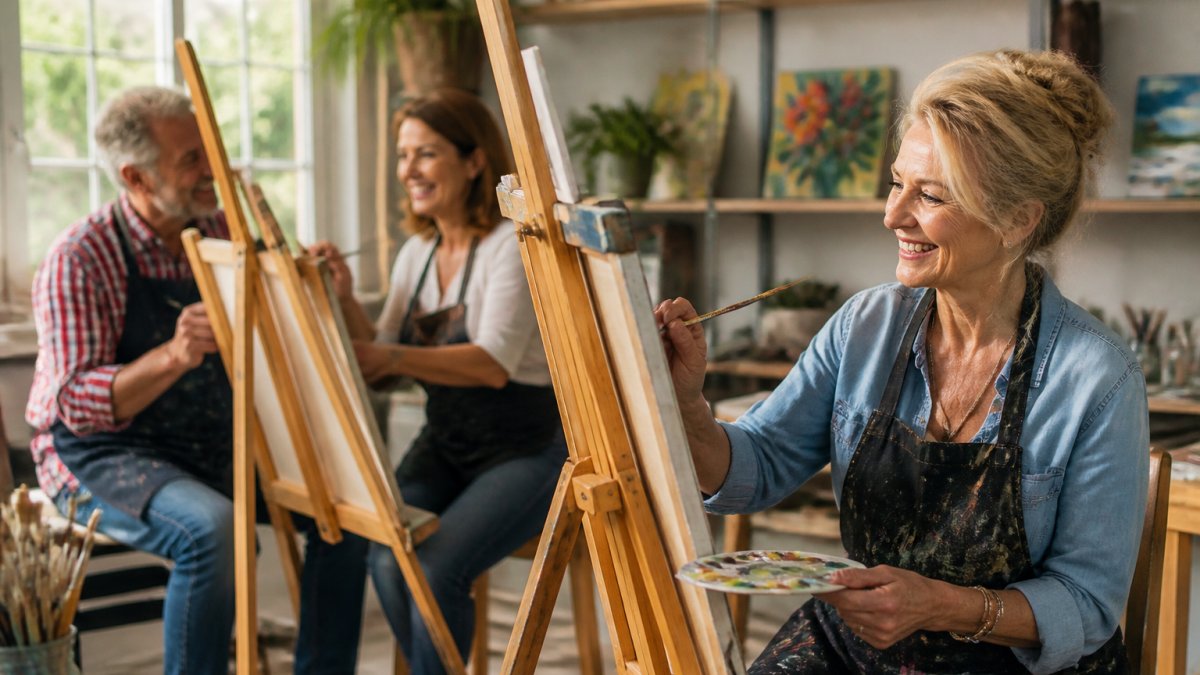
Most people who search for creative art classes for stress relief actually want the second option. They are not looking for treatment. They want a few hours a week where the phone stays in the bag and their hands stay busy. That is exactly what a good studio class delivers.
A few practical questions help you sort out which one you need:
- Is the issue situational or ongoing? A rough month at work points toward a class. A pattern that has lasted months or years points toward a therapist.
- Do you want to talk about it? Therapy involves talking about what you make and why. A class usually does not.
- What does your insurance cover? Many plans cover art therapy when delivered by a licensed provider, but coverage varies widely. Classes are almost never covered.
- What is your budget? Therapy is typically billed per session and can run well above the cost of a single group class. A beginner class is usually the cheaper way to test whether creative work helps you at all.
If you are unsure which you need, start with a single class and see how you feel afterward. If the class leaves you calmer and you want more of it, keep going.
Painting Classes for Beginners: Watercolor, Acrylic, and Oil
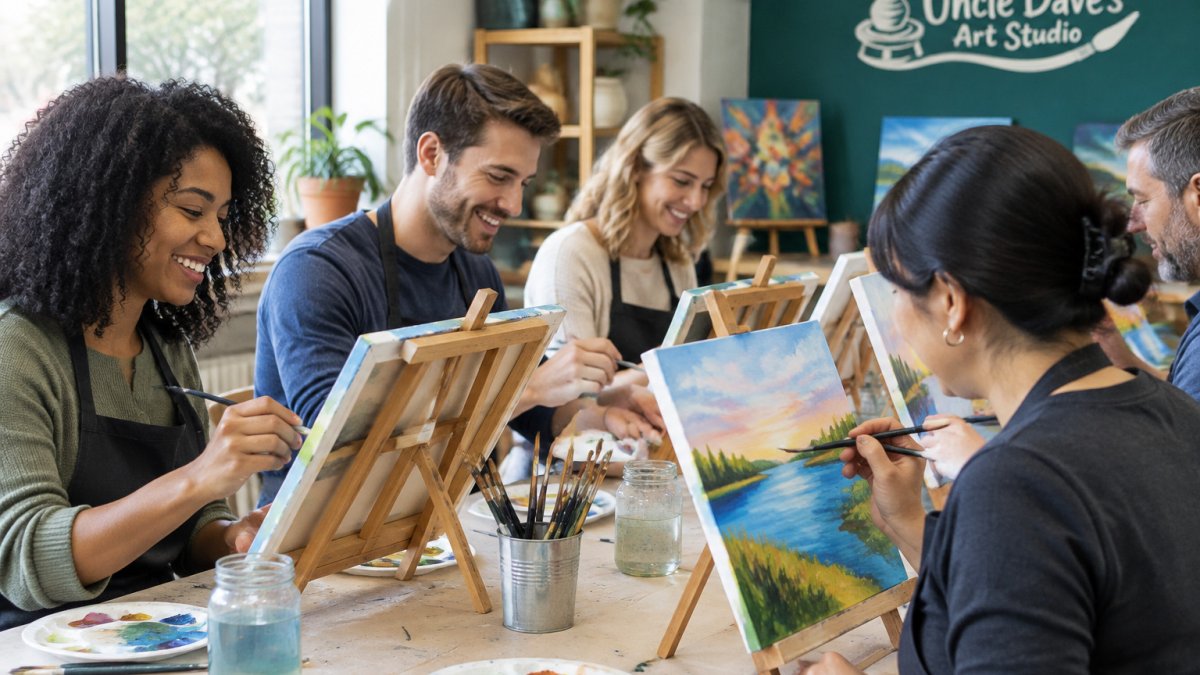
Painting classes for beginners come in three main types, and the one you pick changes everything about your first few sessions. Watercolor is the most forgiving for nervous beginners. Acrylic dries fast and covers mistakes. Oil gives the richest color but demands patience and ventilation.
Here is how the three compare:
| Medium | Drying Time | Best For | Main Drawback |
|---|---|---|---|
| Watercolor | Fast | Loose, forgiving practice | Hard to correct once dry |
| Acrylic | 15-30 minutes | Bold color, layering | Dries too fast for blending |
| Oil | Days | Rich, blendable color | Slow drying, strong odor |
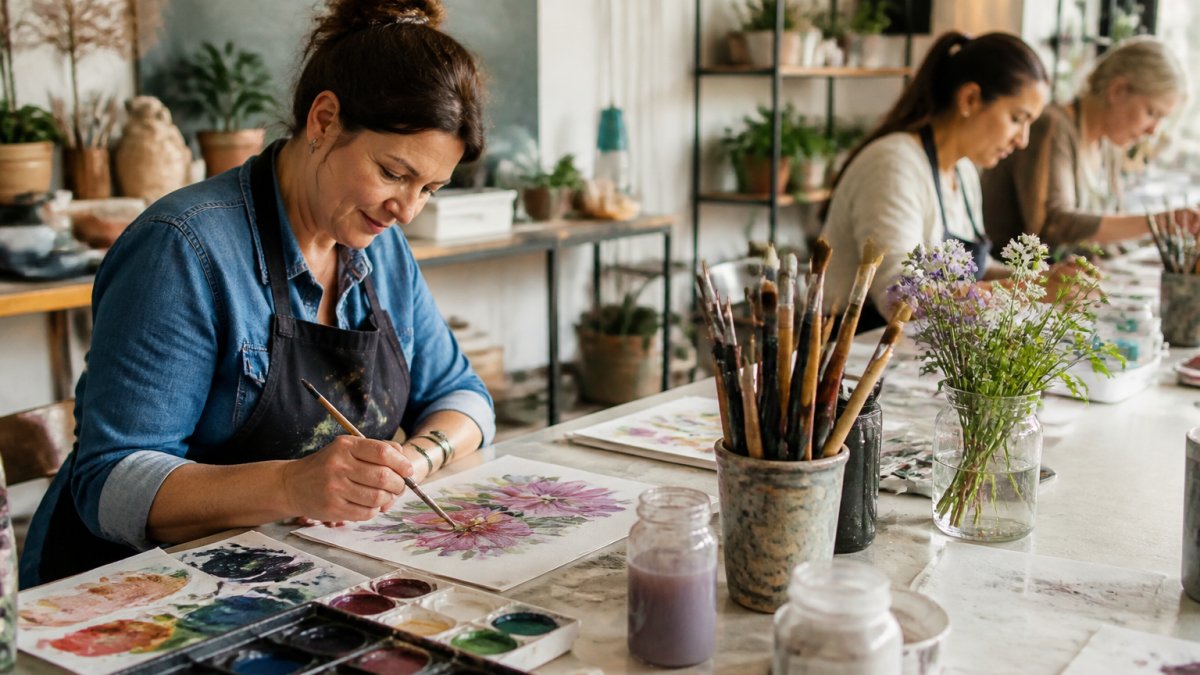
Watercolor rewards looseness. If you tend to overthink, watercolor forces you to accept what the paint does on its own. Acrylic suits people who like to build up layers and fix things as they go. Oil is best saved for a second or third class, once you know you enjoy the medium. Combining these distinct approaches allows for the expressive freedom found in mixed media floral paintings, where the unpredictability of water-based pigments meets the structural depth of heavier applications.
A common mistake is buying an expensive starter kit before your first session. Most studios supply materials. Try the medium before you invest in supplies.
Pottery Classes for Adults: Working with Clay
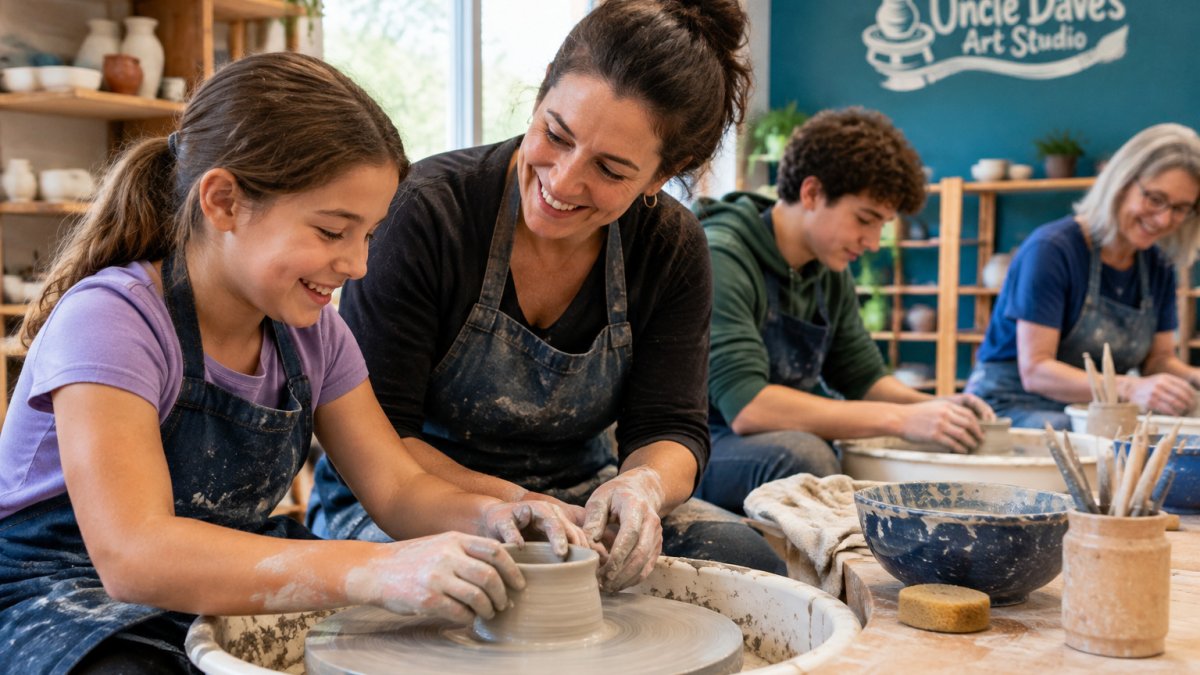
Pottery classes for adults are the most physical option on this list, and that is exactly why they work so well for stress. Clay demands your full attention. You cannot rush a pot on the wheel, and you cannot force it into shape. The material sets the pace.
Most beginner sessions cover two techniques: hand-building and the wheel. Hand-building uses pinching, coiling, and slab work to shape clay without a wheel. It is the gentler introduction and works well for people who feel intimidated by the spinning wheel. Wheel throwing is more demanding but deeply absorbing once it clicks.
The thing nobody tells you about pottery is how much of it is failure. Bowls collapse. Walls go uneven. Centers drift. Learning to accept a collapsed pot and start again is its own kind of stress relief.
If you have never touched clay, say so when you sign up. A good instructor will pair you with a hand-building project first and let you try the wheel when you are ready.
Creative Self-Care Activities You Can Do at Home
Creative self-care activities at home work best when they are small, repeatable, and free of pressure. You do not need a studio, a kiln, or an expensive setup. You need a surface, a few materials, and twenty minutes. This is the option most class-focused guides skip entirely, and for many people it is the most sustainable starting point.
Here is what each activity actually costs and requires, so you can pick one without guessing:
| Activity | Starter Cost | Time Per Session | Skill Floor |
|---|---|---|---|
| Doodling | Under $10 for a notebook and pen | 10-20 minutes | None |
| Watercolor washes | $15-$30 for a pan set, brush, and paper | 20-30 minutes | None |
| Collage | Near zero if you use old magazines | 30-45 minutes | None |
| Air-dry clay | $10-$20 for a tub | 30-60 minutes | None |
| Photography walks | Free with a phone | 20-40 minutes | None |
Try one of these this week:
- Doodling: Keep a notebook by your chair and fill one page a day. No subject, no rules. Repetitive line patterns in particular tend to settle a racing mind because the hand falls into a rhythm the thinking brain does not have to supervise.
- Watercolor washes: Lay down loose color on wet paper and watch it spread. Zero skill required. The unpredictability is the point, not a flaw.
- Collage: Cut images from old magazines and glue them into a composition. Upcycling old paper is part of the fun, and arranging found images sidesteps the blank-page problem that stops a lot of beginners.
- Air-dry clay: Shape small objects at the kitchen table. No kiln needed, and it hardens overnight. The physical resistance of clay gives your hands something to push against, which many people find more grounding than a flat surface.
- Photography walks: Take ten photos on a walk with no goal beyond noticing detail. The constraint of ten frames keeps it from turning into a scroll.
The trick is to treat these as practice, not projects. Skip the urge to post them or make them good. The point is the twenty minutes, not the output.
A few practical notes that make the difference between a habit that sticks and one that fades:
- Keep materials visible. A sketchbook on the coffee table gets used. One in a drawer does not.
- Lower the bar on purpose. If a session feels like a chore, the activity has stopped doing its job.
- Do not buy the expensive kit first. Start with the cheapest version of the activity. Upgrade only after you have done it ten times.
- Batch your setup. Fill a small tray with your materials so starting takes seconds, not minutes.
When at-home sessions start feeling stale, a single in-person class can reset your momentum and teach you a technique you can then practice alone. The reverse also works: a class you love can become a home practice once you know the basics.
How to Choose the Right Art Class for You
Choosing the right class comes down to five filters: experience level, budget, schedule, accessibility, and comfort with groups. Run any class through all five before you commit.
- Experience level: Look for the words "beginner-friendly" or "no prior experience" in the class description. If a listing does not say, ask.
- Budget: Ask what the fee includes before you register. Materials, firing fees, and tool rental are sometimes separate. Uncle Dave's Art Studio can walk you through what each class includes.
- Schedule: Evening and weekend sessions fill fastest. If you work full-time, ask about weekday evening options before you assume only weekends are available.
- Accessibility: Ask about seating, lighting, and sensory considerations. A studio that welcomes all ages and skill levels should be able to answer these questions directly.
- Comfort with groups: If large groups feel overwhelming, ask about class size. Smaller sessions give you more instructor attention and a quieter room.
Here is a simple way to decide:
| If You Want... | Choose... |
|---|---|
| A low-cost trial | A single beginner painting class |
| A physical, absorbing hobby | A pottery or ceramics class |
| Something you can repeat at home | Watercolor or drawing |
| A group outing | A private workshop for your team or church group |
Once you have picked a class, the routine matters more than the medium. People who keep a steady creative practice tend to report better mood and lower stress than those who attend once and stop. Book the next session before you leave the first one.
Frequently Asked Questions
Can art classes help relieve stress?
Yes, creative art classes for stress relief can help lower stress by giving you a focused, hands-on activity that shifts attention away from daily worries. The repetitive motions of painting, drawing, or working with clay promote relaxation and mindfulness. Many people find that even one session leaves them feeling calmer and more present.
What types of art are best for stress relief?
Watercolor, acrylic painting, pottery, and drawing are all effective for stress relief. Watercolor's fluid nature encourages letting go of control, while pottery's tactile nature grounds you in the present. Choose based on what feels enjoyable, not what looks impressive. The best art class for stress relief is one you look forward to attending.
Do I need artistic experience to take an art class?
No prior experience is needed. Beginner-friendly art classes assume you have never held a brush or touched clay. Instructors guide you step by step through techniques, and the focus is on creative expression and relaxation, not perfection. Many adults start with zero experience and discover a new hobby.
What should I expect at a creative art class?
Expect a welcoming environment, all necessary materials provided, and guided instruction. Sessions typically last one to three hours and include a demonstration followed by hands-on work time. Group sizes vary; smaller classes offer more individual attention. You will leave with a finished piece and a new skill.
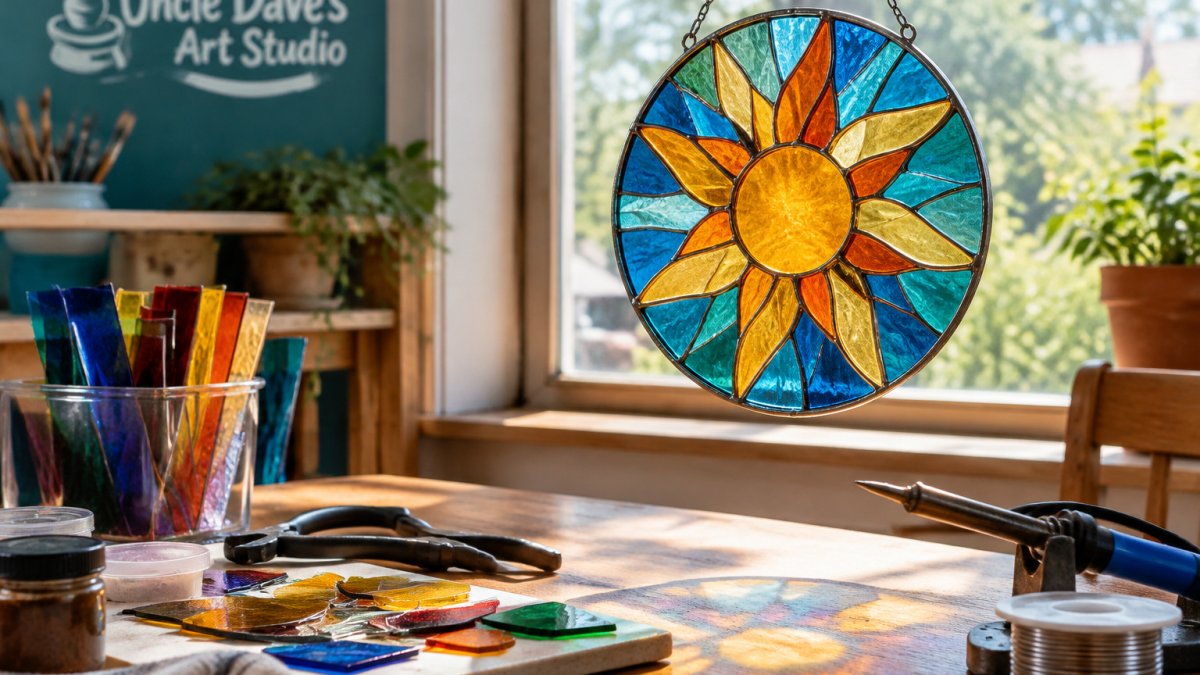
Stress builds when your days are all output and no expression. A single class will not fix that, but a steady creative habit can change how your weeks feel. Uncle Dave's Art Studio offers hands-on classes in pottery, stained glass, painting, drawing, and ceramics for every age and skill level, all in an inclusive space built for beginners and experienced artists alike. Get started with Uncle Dave's Art Studio and find the class that fits your schedule, your budget, and your comfort level.